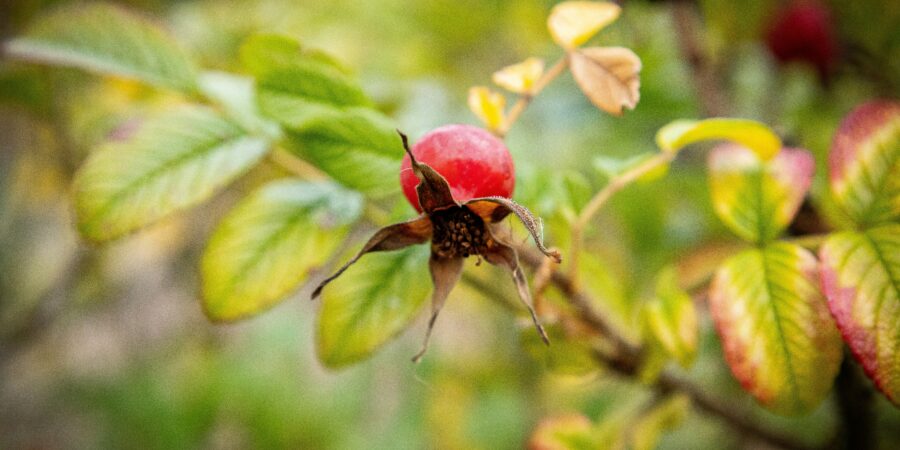
Good fruit takes time to grow. Being in the preparation isn’t about fast-forwarding or staying at a standstill. The Bible contains numerous metaphors about farming and gardening because nature reflects the rhythm of the Creator. We are called to be fruitful and have healthy soil with deep roots. Without depth, we are susceptible to the scorching heat of life’s trials.
Matthew 13: 18-23 “Listen then to what the parable of the sower means: 19 When anyone hears the message about the kingdom and does not understand it, the evil one comes and snatches away what was sown in their heart. This is the seed sown along the path. 20 The seed falling on rocky ground refers to someone who hears the word and at once receives it with joy. 21 But since they have no root, they last only a short time. When trouble or persecution comes because of the word, they quickly fall away. 22 The seed falling among the thorns refers to someone who hears the word, but the worries of this life and the deceitfulness of wealth choke the word, making it unfruitful. 23 But the seed falling on good soil refers to someone who hears the word and understands it. This is the one who produces a crop, yielding a hundred, sixty or thirty times what was sown.”
As we reflect on the parable, the lesson becomes clear: the “good soil” isn’t just a lucky coincidence; it is ground that has been tilled, cleared of rocks, and weeded. To be the good soil, we must be intentional about what we allow to take root in our minds and schedules. God needs to be able to prune us so we may be fruitful.
If we let our seeds stay at a standstill “waiting for God,” that is doing nothing. In our modern context, “waiting” often implies a passive seat in a doctor’s office, but the Biblical perspective is different. In Hebrew, waiting means active expectation and intentionality. God entrusts us to steward our lives in accordance with His calling. At the very least, be consistent and faithful to Him. We are called to follow and model Christ. Faithfulness is the bridge between the seed and the harvest.
Matthew 25: 14-29 24 He also who had received the one talent came forward, saying, ‘Master, I knew you to be a hard man, reaping where you did not sow, and gathering where you scattered no seed, 25 so I was afraid, and I went and hid your talent in the ground. Here, you have what is yours.’ 26 But his master answered him, ‘You wicked and slothful servant! You knew that I reap where I have not sown and gather where I scattered no seed? 27 Then you ought to have invested my money with the bankers, and at my coming I should have received what was my own with interest. 28 So take the talent from him and give it to him who has the ten talents. 29 For to everyone who has will more be given, and he will have an abundance. But from the one who has not, even what he has will be taken away.
The servant’s failure wasn’t that he lost the money, but that he refused to let it grow.
With that foundation, it’s natural to ask: So, what should we be sowing?
Galatians 5:22-23 says it explicitly, “But the fruit of the Spirit is love, joy, peace, patience, kindness, goodness, faithfulness, 23 gentleness and self-control. Against such things there is no law.”
We hear these, but do we take heart and practice truly learning, applying, and growing these fruits? We’re called to encompass and embody all of them. These aren’t just “personality traits”; they are evidence of the Holy Spirit living within us. If we aren’t seeing them, we must check our connection to the Vine.
I task you with this: take each fruit for at least one week at a time. Define it, find scripture for it, and study it. If your Bible has a concordance, look for the fruit and read the verses in the back that go with it. As you study, ask yourself: “How does this fruit change me?”
See how you want to grow in these fruits and identify people in the Bible who are examples of it. There are different ways that God speaks and reveals in the text. This also isn’t a one-and-done assignment. A farmer doesn’t see their harvest and leave it alone because the fruit will wither. We have to constantly water and nurture the fruit.
Below were mine:
Love: 1 Corinthians 7 and 13; Ruth, Song of Solomon, Ephesians 5, Psalms
Joy: Psalms, Proverbs, Job
Peace: Job, Lamentations, Daniel, Hosea
Patience: minor and major Prophets (Amos, Obadiah, Jonah, Micah, Nahum, Habakkuk, Zephaniah, Haggai, Zachariah, and Malachi)
Kindness: 1 and 2 Samual
Goodness: Jeremiah
Faithfulness: Gospels (Matthew, Mark, Luke, John)
Gentleness: Romans
Self-Control: Isaiah